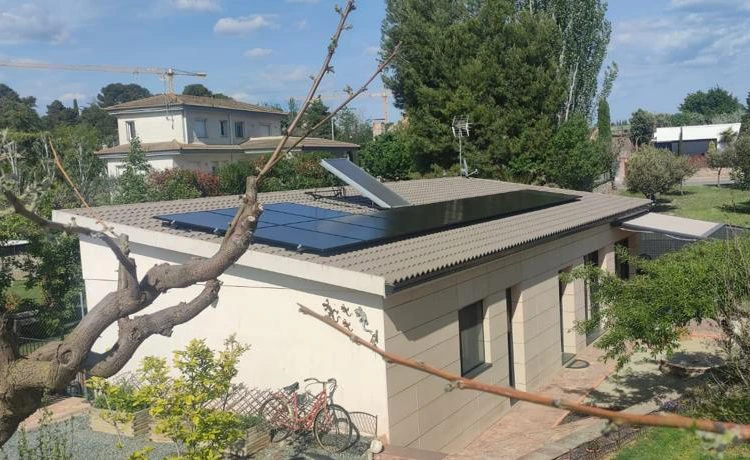
The cost-effectiveness of solar panels: myth or reality?
La rentabilidad de las placas solares es elevada gracias al ahorro, a la fuerte disminución de los precios de instalación y las subvenciones. Descubre có


Not only is solar energy a clean, renewable form of energy, but it can also be a cost-effective option for homes and businesses. In this article, we will analyze the cost-effectiveness of solar panels and how to calculate the cost-benefit of solar energy.
What is the cost-effectiveness of solar panels?
The profitability of solar panels refers to the ability of solar energy to generate a positive return on investment over time. Like any investment, it is expected that the installation of solar panels generate a long-term financial return.
Are solar panels profitable?
Solar panels are a profitable investment with quick payback. In 6—7 years, you recover your investment and you start to fully enjoy all the savings. The main reason for this profitability is the savings on the electricity bill. With a photovoltaic installation, the bill may be reduced by 70%, and even up to 90% with excellent consumption management.
In addition, fiscal and economic incentives can make the installation of solar panels even more attractive.
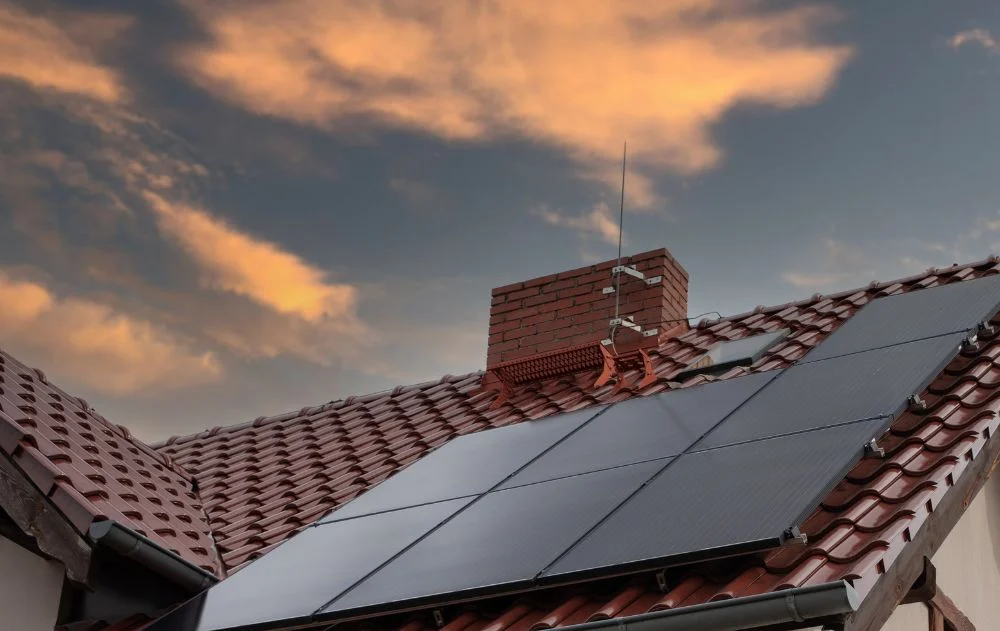
How do you calculate the profitability of solar panels?
To calculate profitability, consider several factors, such as location, system size, and energy cost:
- Get data on energy production: Check your electric bills or the monitoring system.
- Calculate the total energy generated: Add up all the production readings (kWh) during the selected period.
- Determine the value of the energy generated: Multiply the average cost per kWh by the total amount of kWh generated.
- Subtract investment costs: Consider the initial purchase and installation costs.
- Calculate profitability: Divide the result by investment costs and multiply by 100.
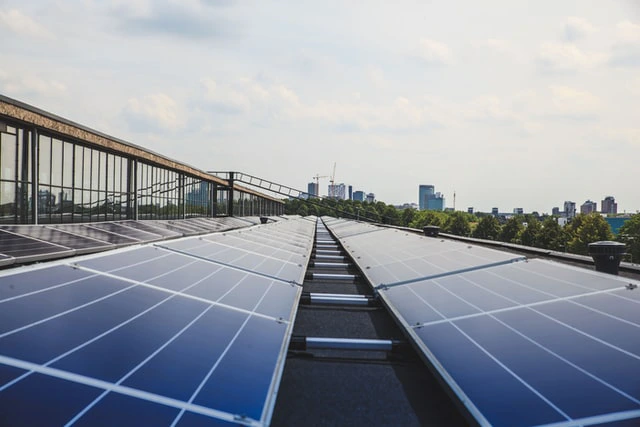
5 advantages for companies with a photovoltaic system

Photovoltaic self-consumption: types, advantages and costs