Green architecture: what it is and what are its characteristics
Green architecture is a new form of urban construction that is based on minimizing harmful effects on the environment.
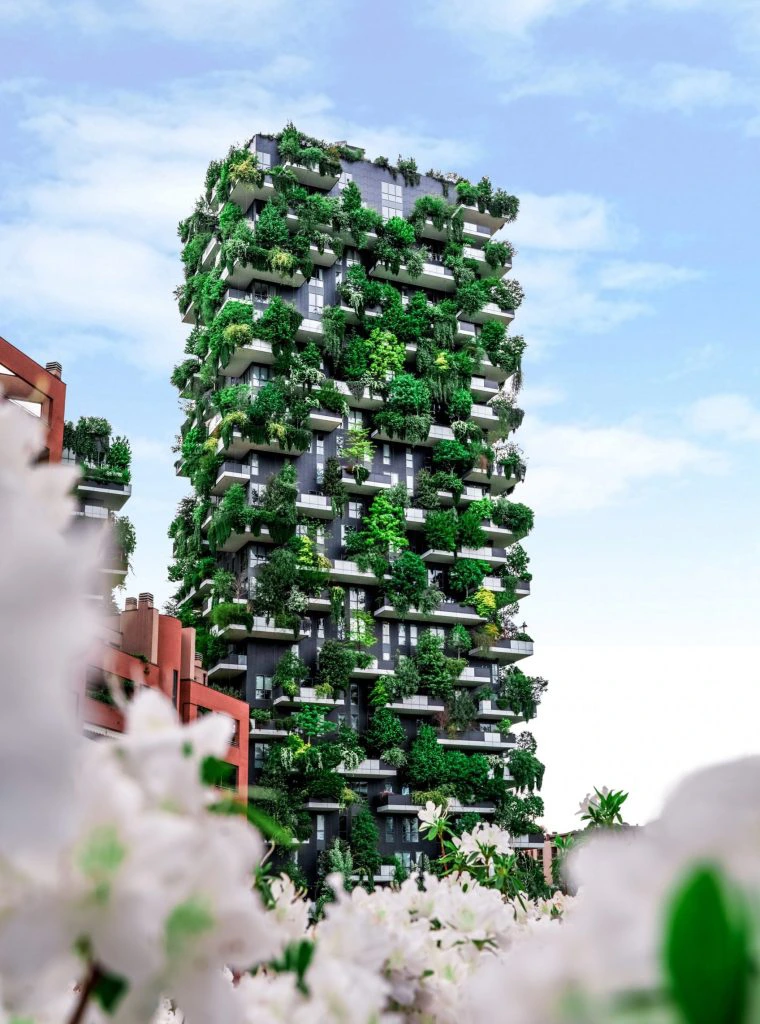

For years, cities have been drawing up a plan for the transition to ecology and sustainability, generating strategies and actions to reduce the large carbon footprint they leave every day. In today's article, we're going to focus on green architecture, a new way of urban construction that is based on minimizing harmful effects for the environment.
What is green architecture?
Green architecture is a sustainable design aimed at conserving the environment, improving people's lives, making efficient use of energy and reducing pollution.
To this end, the buildings constructed have a series of characteristics that allow them to meet all the objectives mentioned above. The most important aspects to be able to call a building green architecture are the choice of materials and construction practices. Both must be environmentally friendly.
On the other hand, we find a series of requirements that must be fulfilled to be considered a sustainable building:
- Specific study of environmental factors, such as humidity, temperatures or the orientation of the building.
- Study of social conditioning factors, with the objective of making the building contribute to sustainable social development.
- Study of cultural conditioning factors, since customs are different in each country, so solutions to reduce environmental impact must be adapted.
The characteristics of green architecture
Although people associate green architecture with vertical gardens and a large amount of vegetation on the facades, this type of construction goes much further. This genre covers many aspects, of which we will highlight the most relevant:
- Optimal location, maximizing sunlight, winds and natural shelter.
- Renewable energy sources, such as solar energy
- Efficient ventilation systems.
- Plumbing accessories for saving water.
- Lighting and appliances from low consumption.
- Rainwater collection and grey water reuse.
- Materials obtained (mostly) locally, eliminating long-distance transport.
- Efficient use of space.
- Reuse of old buildings.
- Integration of the green roof system on the roofs.
Energy certifications
These sustainable buildings have a system of labels depending on the type of seal or certification that he gets the building. Estas certifications, issued by a competent technician, make it possible to measure and compare the different buildings. The parameters that are taken into account to give the certification are:
- Las greenhouse gas emissions: related to energy supply.
- Las characteristics of the building itself: they make it possible to reduce unnecessary energy consumption.
- La energy efficiency: it is achieved when the relationship between energy consumption and demand is correct, avoiding energy losses.
- La final energy consumed: the total amount of energy used for building installations (air conditioning, heating, lighting).
Zero or plus energy building
Within green architecture, we find zero energy buildings (EEC), which are those where energy consumption comes exclusively from The energy that produces itself, thanks to renewable energy sources, such as solar energy.
Also, there are those buildings that produce excess energy, that is, they produce more energy than they consume. These are known as energy plus buildings (EEP).
The urban future is moving towards green architecture, since it is the only sustainable way to continue growing as a civilization, without this posing a real risk to the planet's survival. Currently, there are already some countries that have fully committed themselves to this type of construction, and it is only a matter of years before all the big cities become green.

Smart Homes, a safe bet for the future of the home
Green architecture: what it is and what are its characteristics