What's the difference between clean energy and renewable energy?
Both concepts, even if used synonymously, have their own characteristics. Discover the difference between clean energy and renewable energy.
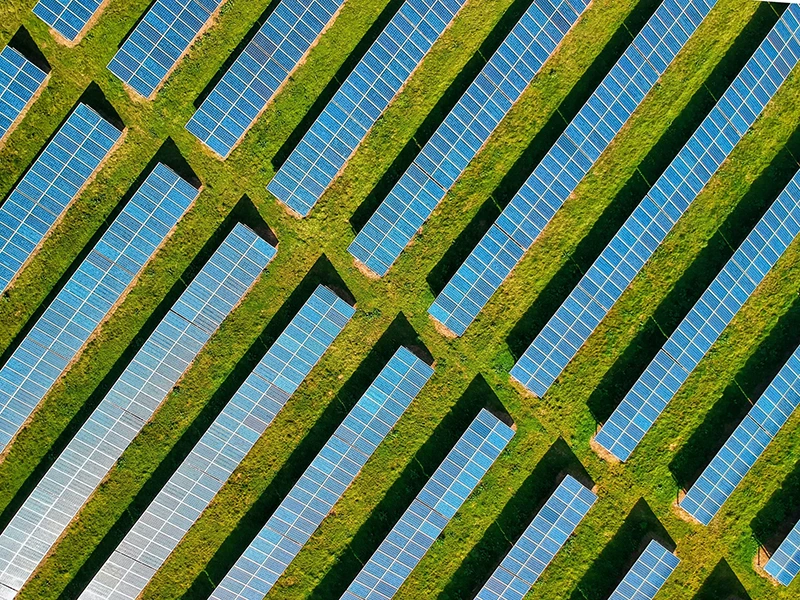

At a time, when we are aware of the importance of the energy transition to end the Climate Change, it is key to know the difference between clean energy and renewable energy. Both concepts are misused synonymously, regardless of the fact that they do not mean the same thing. In this article you We explain their differences, advantages and main features.
Difference between clean energy and renewable energy
La Renewable energy is one that is generated from an inexhaustible source. The main characteristic of this type of energy is that it is not exhausted, since the source is by nature inexhaustible, such as the sun or the wind, or because the rate of recovery of this source is higher than that of expenditure.
While the Clean energy, also known as green energy, is energy that during its production does not emit into the atmosphere or negatively impact the environment, or its emissions are climate neutral, such as natural gas. Unlike renewable energy, this type of energy can be limited.
Why are there confusions between the terms?
The confusion of both concepts is very common, since the same energy source can have both characteristics at the same time (renewable and clean), such as solar energy. However, we can also find sources that are:
- Clean, but not renewable.
- Renewable, but not clean.
This It is defined by the way in which energy is generated, that is, how it is produced. An example would be biomass, a renewable energy, since it comes from organic waste, but when produced it emits greenhouse gases, so it cannot be considered clean energy.
In addition, the union of terms becomes more frequent because of their misuse by state administrations or officials. Currently, there are countries that consider clean energy to be those that do not generate emissions, but, on the other hand, they do not take into account whether they pollute or cause damage to the environment through their waste. Then, for example, renewable energy, large scale hydropower and nuclear energy all fall into the same bag.
The best option: clean renewable energy
Even with the difference between clean energy and renewable energy, there are a wide variety of energies that meet these two characteristics. Without a doubt, It is the best alternative to combat climate change And perform a Safe and Sustainable Energy Transition, leaving behind fossil fuels and nuclear energy. With these properties, we find the following energies:
- Solar energy: today it is the most used and well-known, thanks to its impact on the development of electrical self-consumption. There are two types, the photovoltaic energy, that is obtained through solar panels that transform solar energy into electrical energy, and from which our Experts Can Advise You, and the Thermal Energy, in this case, solar panels convert energy from the sun into thermal energy, for use in heating or hot water.
- Wind energy: It is the other best-known clean renewable energy. As its name suggests, it is obtained by mills that generate electrical energy when their blades are driven by the wind.
- Hydraulic power: thanks to hydraulic turbines, energy is produced using the force of water.
- Geothermal energy: the own heat of the Earth's interior is used to produce thermal energy.
- Marine energy: through the force of the sea, either through tides (tidal) or waves (wave), unlimited and clean energy can be obtained.
The Future of Housing
All the energies, in addition to being inexhaustible and clean, pose no health risks and provide energy independence. On the other hand, they make it possible to ensure a just energy transition. These are the reasons why they are increasingly an attractive and real alternative.

Smart Homes, a safe bet for the future of the home
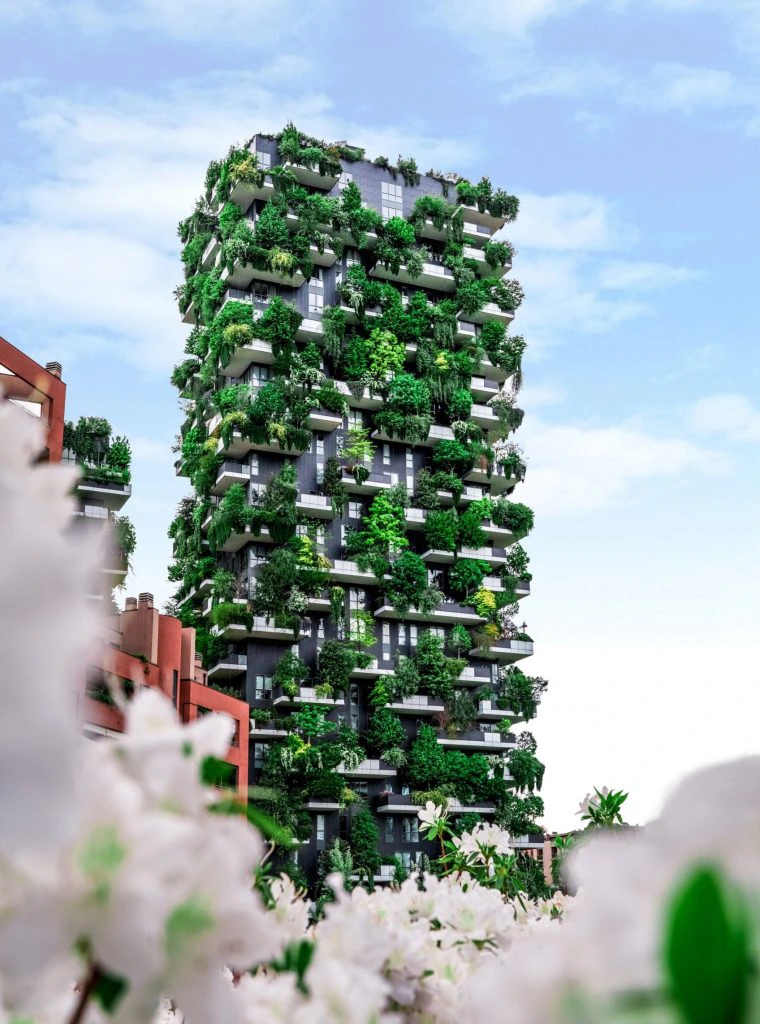
Green architecture: what it is and what are its characteristics