Is total energy independence possible through self-consumption?
Total energy independence has become an increasingly popular goal because of the current complicated situation. But is it possible to achieve it?


In recent years, total energy independence has become an increasingly popular goal. One of the options to achieve this is self-consumption. But is it possible to achieve total energy independence through self-consumption?
What is self-consumption?
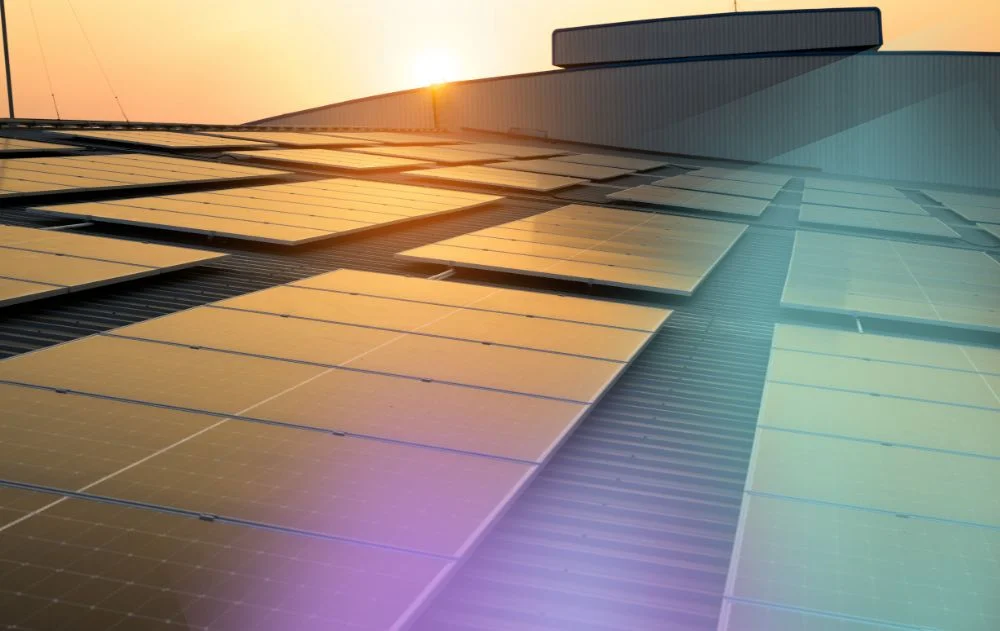
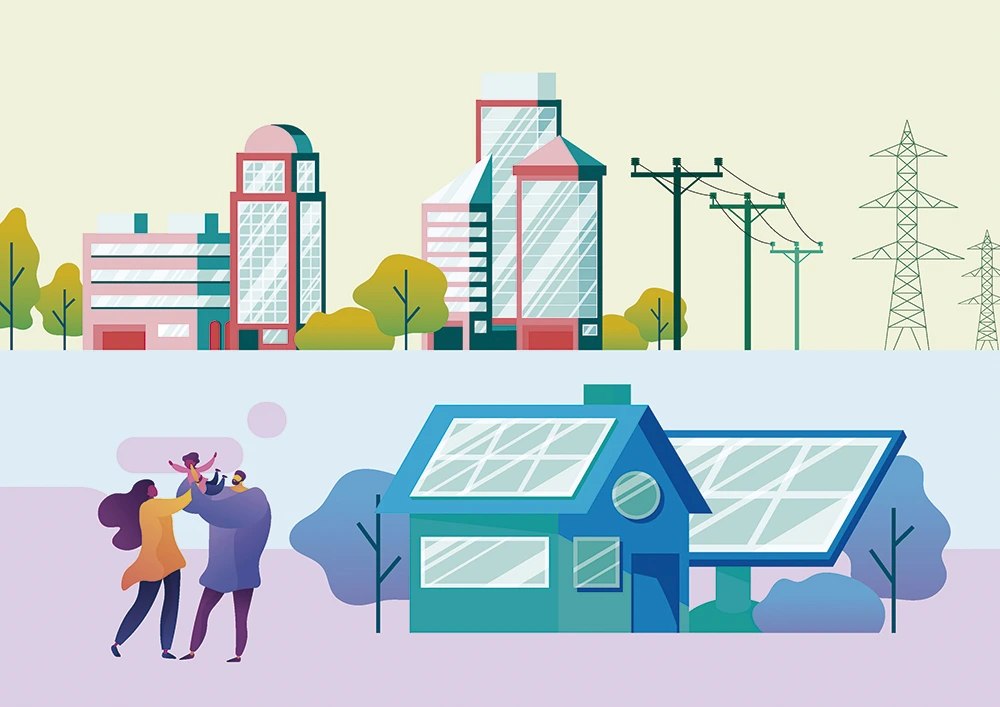
Self-consumption consists of generating our own energy from renewable sources such as solar. Nowadays, the most viable energy source is solar energy, through the installation of solar panels on the roofs. The objective is to reduce dependence on the conventional electricity grid and, therefore, to reduce the electricity bill and CO₂ emissions.
Can we achieve total energy independence?
Achieving total energy independence through self-consumption is not easy. The production of renewable energy It is not constant and depends on factors such as time of day, time of year and geographical location.
To be completely independent you must have batteries in the facility to store the energy produced.
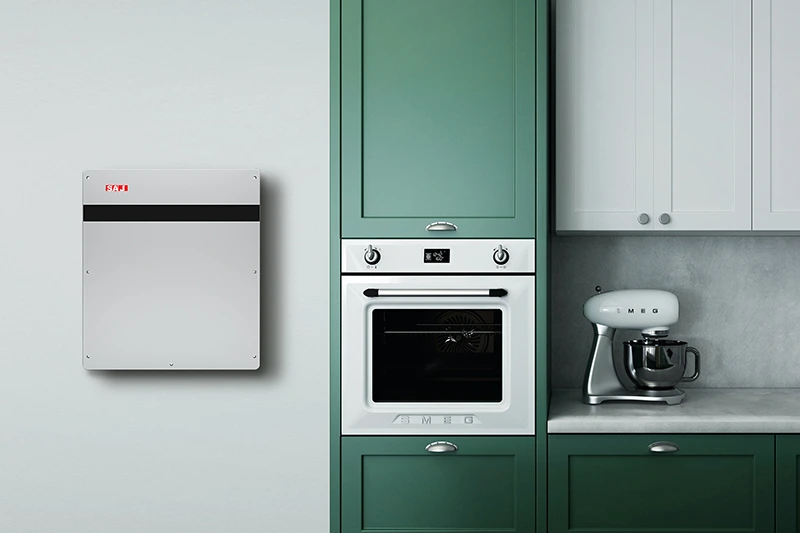
What is a battery?
La battery It is a storage device that collects the energy produced by the photovoltaic plant that has not been consumed. It allows store it for use when needed, for example, at night.
Why install solar panels if I don't achieve total independence?
Even with the limitations, a solar installation provides great advantages:
- Savings on the electricity bill: you can reduce your bill by 70%, or up to 90% with batteries and good consumer habits.
- Reduction of CO₂ emissions: you contribute to the fight against climate change.
- Increase in property value: can increase the value of your property by up to 10%.
- Reliability and Durability: with proper maintenance, panels can last more than 30 years.

The 'boom' of work in solar energy: data and forecasts
Is total energy independence possible through self-consumption?